-
-
-
P.O. Box 1277, Morogoro
TARI Ifakara Aquacultural Pond Designing and Construction
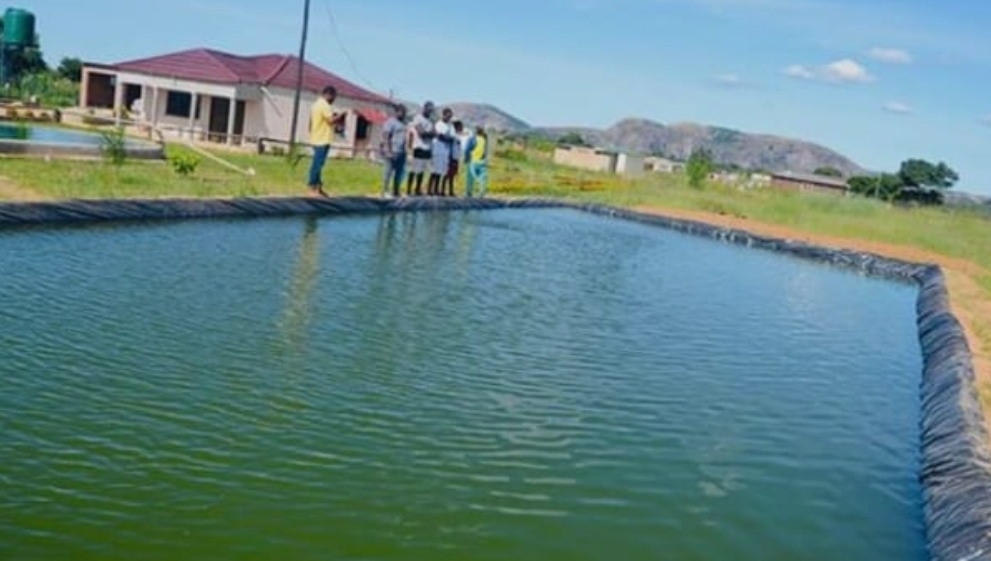
TARI Ifakara Aquacultural Pond Designing and Construction
This project involved the construction of a 10m × 10m fish pond at TARI Ifakara to support aquaculture research and farmer training under the Sustainable Agriculture Tanzania (SAT) program. The intervention was implemented to strengthen institutional capacity in aquaculture development and provide a practical facility for demonstrations, experimentation, and farmer learning.
The project included site preparation, excavation of the pond, and structural shaping to ensure proper water retention and operational efficiency. The pond was designed to support sustainable fish farming practices and to serve as a controlled environment for testing aquaculture management techniques such as stocking densities, feeding regimes, and water management practices.
Overall, the initiative aimed to enhance knowledge transfer between researchers and farmers, promote adoption of improved aquaculture technologies, and contribute to the development of sustainable fish production systems within the region
Project Key Components
The fish farming project at Ifakara involved several key components that ensured successful pond establishment and fish production. The process began with careful site selection and pond design, where factors such as reliable water supply, suitable soil, proper drainage, accessibility, and environmental safety were considered before designing a 10m × 10m pond.
This was followed by excavation and shaping of the pond, including land clearing, digging, leveling, and construction of strong embankments to retain water and prevent erosion. Water inlet and outlet systems were then installed to control water flow, maintain water quality, and support pond drainage during cleaning and harvesting. Finally, preparation for stocking and management included pond cleaning, liming, fertilization, filling the pond with clean water, and preparing healthy fingerlings and management practices such as feeding, monitoring, and disease control to ensure effective fish farming operations.
Project Achievements
1. Strengthened aquaculture research capacity at Tanzania Agricultural Research Institute (TARI)
The project improved research activities by providing a practical fish farming facility for conducting aquaculture experiments, demonstrations, and data collection.
2. Provided a training platform for farmers and extension officers
The fish pond served as a learning site where farmers and agricultural extension officers gained practical knowledge and skills in fish farming techniques and pond management.
3. Improved fish production potential in the region
The project promoted efficient fish farming practices that can increase fish production, improve food availability, and support income generation within the region.
4. upported sustainable agriculture initiatives
The project encouraged environmentally friendly farming practices by integrating aquaculture into sustainable agricultural development and efficient use of natural resources.
